Martin Luther King’s Speech (Urdu Translation)
مارٹن لوتھر کنگ کی تاریخ ساز تقریر

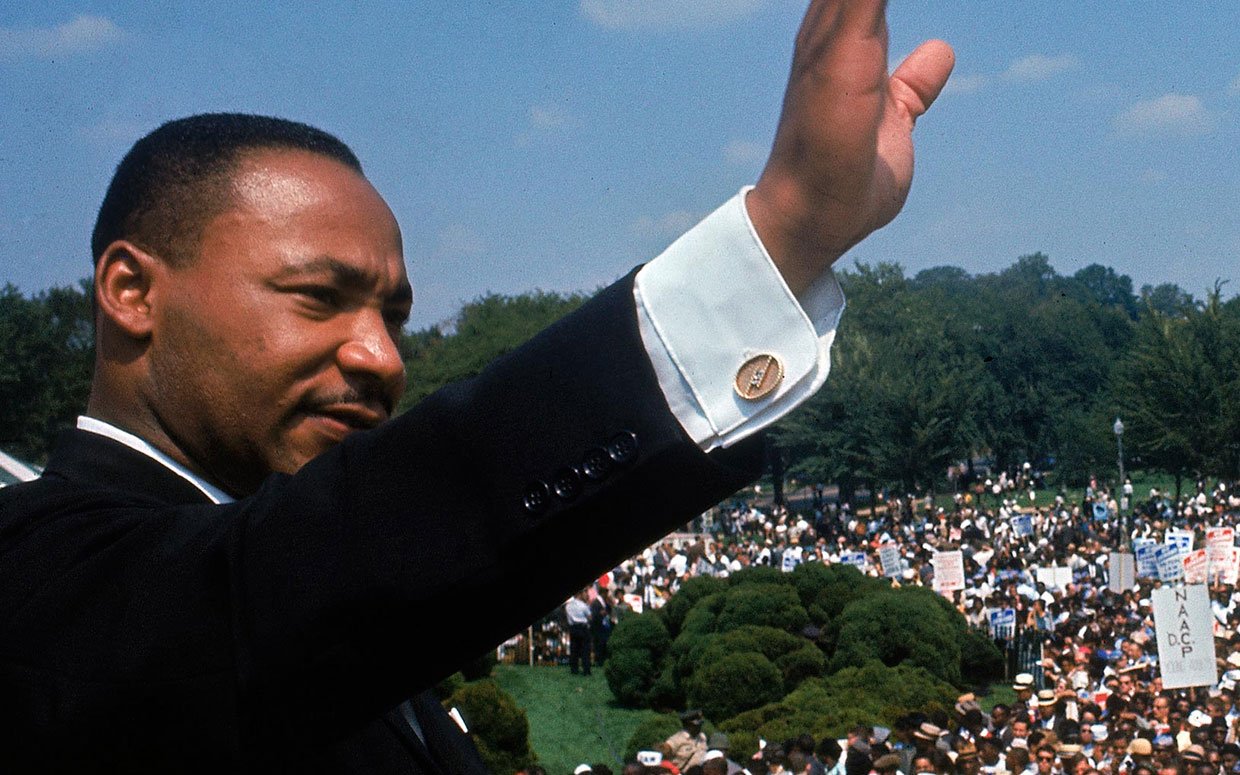
جنوری 17، 1963 مارٹن لوتھر کنگ جونیئر نے یاد گارِ ابراہم لنکن کی سیڑھیوں سے اپنی قوم کو ایک پیغام دیا
‘میرا ایک خواب ہے ‘

ترجمہ : یمین الاسلام زبیری


میں بہت خوش ہوں کہ آج میں ایک ایسے موقع پر آ پ کے ساتھ ہوں جو ہماری قوم کی تاریخ میں آزادی کے سب سے بڑے مظاہرے کے طور پر یاد رکھا جائے گا۔
ایک صدی قبل، ایک عظیم امریکی، جس کے پرتوِ رہبری تلے آج ہم کھڑے ہیں، نے اعلانِ آزادی پر دستخط کیے تھے۔ یہ انتہائی اہم فرمان ان لاکھوں نیگرو غلاموں کے لیے امید کی مشعل بن کر آیا جو ناانصافی کے کمھلا دینے والے شعلوں سے نیم جاں ہوچکے تھے۔ وہ مانند ایک خوشگوار صبح کے ان کی اسیری کی لمبی رات کا خاتمہ کرنے کو ظہور ہوا۔ لیکن اس کے سو سال کے بعد بھی، نیگرو آزاد نہیں ہے۔ سو سال ہوگئے لیکن افسوس نیگرو کی زندگی کو نسلی امتیاز کی بیڑیوں اور نسل پرستی کی زنجیروں نے مفلوج کر رکھا ہے۔
ایک سو سال گزر گئے ہیں، نیگرو اب بھی اپنے چاروں طرف پھیلے مادّی آسائشوں کے بیکراں سمندر کے بیچ ایک غربت کے مارے درماندہ جزیرے پر رہ رہا ہے۔ نیگرو امریکی ایک سو سال گزرنے کے بعد بھی امریکی معاشرے کے کونے کھتروں میں حسرت زدہ زندگی گزار رہا ہے، اور اسے لگتا ہے کہ وہ اپنے ہی دیس میں جلا وطن ہے۔ پس آج ہم یہاں اکھٹے ہوئے ہیں کہ ہم ایک شرمناک صورتِحال کا تماشہ بنا کر رکھ دیں۔
ایک طرح سے ہم اپنے دارالحکومت میں ایک چیک بھنانے آئے ہیں۔ جس وقت ہماری عظیم جمہوریہ کے معماروں نے آئین اور قراردادِ آزادی کے شاندار الفاظ کو تحریرکیا ہےوہ اس وقت ایک تمسک پر بھی دستخط کر رہے تھے جس کا ہر امریکی وارث ہونے جا رہا تھا۔ یہ تمسک ایک وعدہ تھا کہ تمام آدمیوں کو، جی ہاں، کالے آدمیوں کو اور گورے آدمیوں کو بھی، کہ ان کو زندہ رہنے، آزادی اور خوشی کی تلاش کے لاینفک حقوق کی ضمانت دی جاتی ہے۔
آج یہ بات تشت از بام ہے کہ امریکہ اپنے بادشندگانِ رنگ کے سلسلے میں اپنی اس تمسک پر اب تک غفلت اور نادہندگی کا مرتکب ہے۔ اپنی اس مقدس ذمہ داری کو پورا کرنے کی بجائے امریکہ نے اپنے نیگرو عوام کو ایک ناقص چیک تھمادیا، ایک ایسا چیک جو واپس ملا ’ناکافی رقم‘ کے جواب کے ساتھ۔ لیکن ہم یہ ہرگز یقین کرنے کو تیار نہیں کہ انصاف کا بینک دیوالیہ ہو چکا ہے۔ ہم یقین کرنے کو تیار نہیں کہ اس قوم کی مواقعوں کی عظیم تجوریوں میں رقوم ناکافی ہیں۔ پس ہم اس چیک کو بھنانے آئے ہیں — ایک چیک جو ہمارے طلب کرنے پر آزادی کی نعمتیں اور انصاف کی ضمانت دے گا۔ ہم اس مقدس مقام پر امریکہ کو یہ بھی یاد دلانے آئے ہیں کہ اب وقت بہت ہی کم ہے۔ یہ وقت گفت و شنید کے مزے لینے کا یا ’رفتہ رفتہ ہو جائے گا‘ کی مسکن دوا لینے کا نہیں ہے۔ یہ وقت ہے جمہوریت کے وعدوں کو حقیقت کا روپ دینے کا۔ یہ وقت ہے نسل پرستی کی اندھیری اور اجاڑ وادی سے باہر نکل کر نسلی انصاف کی روشن روش اپنانے کا۔ یہ وقت ہے اپنی قوم کو نسلی نا انصافی کی دلدل سے نکال کر بھائی چارے کی ٹھوس چٹان پر کھڑا کرنے کا۔ یہ وقت ہے انصاف کو خدا کے تمام بندوں کے لیے ایک حقیقت بنادینے کا۔
ہماری قوم کے لیے اس فوری اہمیت کے لمحے کو نظر انداز کرنا موت کو گلے لگانا ہوگا۔ نیگرو لوگوں کی بالکل جائز بے اطمنانی کا کڑی دھوپ کا موسم اس وقت تک دور نہیں ہوگا جب تک آزادی اور برابری کی فصلِ خریف اچھی نہیں ہوگی۔ انیس سو تریسٹھ اختتام نہں شروعات ہے۔ وہ جوامید لگائے بیٹھے ہیں کہ نیگرو زور دکھا کر بیٹھ جائیں گے اور خاموش ہو رہیں گے، اگر حالات یونہی چلتے رہے تو انہیں ایک ایسی بیداری سے واسطہ پڑے گا جو کسی کا لحاظ نہیں کرے گی۔ امریکہ میں اس وقت تک آرام و سکون نہیں ہوگا جب تک نیگرو کو اس کے شہری حقوق نہیں مل جاتے۔ بغاوت کے بگولے اس وقت تک ہماری قوم کی بنیادوں کو جھنجھوڑتے رہیں گے جب تک انصاف کا روشن دن طلوع نہیں ہوجاتا۔
البتہ ایک بات ہے جو میں اپنے لوگوں سے، جو انصاف کے محل کو جانے والی تپتی دہلیز پر کھڑے ہیں، ذور دے کے کہنا چاہتا ہوں ۔ ہم اپنا جائز مقام حاصل کرنے کے عمل میں غلط کاریوں کے مرتکب ہرگز نہیں ہونگے۔ ہم اپنی آزادی کی تشنگی ہرگز بھی تلخی اور نفرت کے پیالے کو منہ لگا کر نہیں بجھائیں۔
ہم ہمیشہ اپنی جدوجہد وقار اور نظم و ضبط کے ارفع مقام سے چلاتے رہیں گے۔ ہم اپنے اس تخلیقی احتجاج کو ہرگز بھی بگڑ کر جسمانی تشدّد والا نہیں بننے دیں گے۔ ہم بار بار وقار کی عظمتوں کے ساتھ جسمانی طاقت کا روح کی طاقت سے مقابلہ کریں گے۔ یہ انیق جہاد جس نے نیگرو قوم کو آ لیا ہے ہر گز ہمیں تمام گورے لوگوں کو مشکوک نہیں بنانے دے، کہ ہمارے بہت سے گورے بھائی، اور ان کی یہاں موجودگی اس کا ثبوت ہے، اس بات کا شعور پا گئے ہیں کہ ان کی قسمت ہماری قسمت کے ساتھ بندھی ہوئی ہے۔ انہیں احساس ہوگیا ہے کہ ان کی آزادی ہماری آزادی کے ساتھ لاینفک طور پر نتھی ہے۔ ہم اکیلے نہیں چل سکتے۔
جب ہم آگے بڑھنے لگیں گے، تواس عہد کے ساتھ کہ ہم مستقل آگے ہی بڑھتے جائیں گے۔ ہم پیچھے نہیں مڑ سکتے۔ کچھ لوگ شہری حقوق کے پرستاروں سے پوچھ رہے ہیں، ’تم کب مطمئن ہوگےَ؟‘ہم اس وقت تک ہر گز مطمئن نہیں ہونگے جب تک نیگرو پولیس تشدد کی ناقابل بیان دہشت کا شکار ہے۔ ہم اس وقت تک مطمئن نہیں ہونگے جب تک سفر سے تھکے ہارے ہمارے جسموں کو شاہراہوں پر بنی سراؤں اور موٹلوں میں اور شہروں کے ہوٹلوں میں ٹھیرنے کے لیے جگہ نہیں ملتی۔ ہم اس وقت تک مطمئن نہیں ہونگے جب تک نیگرو کی زندگی کا سفر ایک چھوٹی کچی آبادی سے نکل کر کسی بڑی کچی آبادی تک محدود رہے گا۔ ہم اس وقت تک مطمئن نہیں ہونگے جب تک وہ تختیاں جن پر لکھا ہوتا ہے ’صرف سفید فام لوگوں کے لیے‘ ہمارے بچّوں کی خودی تار تار کر تی رہیں گی اور ان سے ان کی عزت چھینتی رہیں گی۔ ہم اس وقت تک مطمئن نہیں ہونگے جب تک مسیسیپی کا ایک نیگرو ووٹ نہیں دے سکتا اورنیو یارک کا ایک سیاہ فام یقین رکھتا ہے کہ اس کے پاس کوئی ایسا مسئلہ نہیں جس کے لیے وہ ووٹ استعمال کرے۔ نہیں، نہیں، ہم مطمئن نہیں ہیں، اور نہ ہم اس وقت تک مطمئن ہونگےجب تک انصاف پانی کی طرح نہیں بہتا اوردیانتداری ایک چڑھے ہوئے دریا کی مانند نہیں ہوجاتی۔
میں اس بات سے ہر گز غافل نہیں ہوں کہ آپ میں سے کچھ لوگ بڑی آزمائشوں سے گزر کر اور مصیبتیں اٹھا کر یہاں آئے ہیں۔ کچھ جیل کی تنگ کوٹھریوں سے تازہ چھٹ کر آئے ہیں۔ آپ میں سے کچھ وہ ہیں جو ایسے علاقوں سے آئے ہیں جہاں آپ کی آزادی کی کھوج پر آپ کو ایزارسانی کے طوفانوں نے مار کے رکھدیا اور پولیس تشدد کے تلاطم نے آپ کو جھنجوڑ کر رکھ دیا۔ اب آپ مشقتِ تعمیری کے آزمودہ کار ہیں۔ جاری رکھیے اپنا کام اس یقین کے ساتھ کہ بِنا مانگے کی یہ اذیت دور ہونے والی ہے۔
مسیسیپی کو لوٹ جاؤ، الاباما واپس جاؤ، جنوبی کیرولائنا واپس جاؤ، واپس جاؤجارجیا ، لوٹ جائو لوزیانا کو، ہمارے شمالی شہروں میں اپنی کچی آبادیوں کو اور جھگی پاڑوں کو واپس جاؤ، یہ جانتے ہوئے کہ کسی نہ کسی طرح یہ حالت بدل سکتی ہے اور بدلے گی۔ ہمیں مایوسی کی وادیوں میں دھکے نہیں کھاتے رہنا ہے۔
آج میرے دوستو، میں تم سے کہتا ہوں، اگرچہ ہم آج اور آنے والے کل کی مصیبتوں کا سامنا کر رہے ہیں، پر میں اب بھی ایک خواب دیکھتا ہوں۔ یہ ایسا خواب ہے جس کی جڑیں امریکی خواب میں بڑی گہری اتری ہوئی ہیں۔
میرا خواب ہے کہ ایک دن یہ قوم اٹھ کھڑی ہوگی اور اپنے مسلک پر پوری اترے گی: ’ہمارے نزدیک یہ سچائیاں اظہر من الشمس ہیں: کہ تمام انسان برابر پیدا کیے گئے ہیں۔‘
میرا خواب ہے کہ ایک دن جارجیا کی سرخ پہاڑیوں پر سابق غلاموں کے بیٹے اور سابق غلاموں کے مالکوں کے بیٹے بھائی چارے کی میز پراکھٹے بیٹھ سکیں گے۔
میرا خواب ہے کہ ایک دن مسیسیپی کی ریاست، وہ ریاست جہاں ناانصافی کی آگ بھڑک رہی ہے، وہ ریاست جہاں ظلم کی آگ بھڑک رہی ہے، وہ تک آزادی اور انصاف کے ایک نخلستان میں بدل جائے گی۔
میرا خواب ہے کہ میرے چار بچے جو ابھی چھوٹے ہیں ایک دن ایک ایسے دیس میں ہوں گے جہاں وہ اپنی جلد کی رنگت سے نہیں بلکہ اپنے کردار سے پہچانے جائیں گے۔
آج یہ میرا خواب ہے۔
میرا خواب ہے کہ ایک دن، الاباما، اپنے تمام خبیث نسل پرستوں کے ساتھ، اپنے گورنر کے ساتھ جس کے لبوں سے ہر وقت دخل اندازی اور تنسیخ کے الفاظ ٹپکتے رہتے ہیں۔ ایک دن بالکل اسی الاباما میں، چھوٹے چھوٹے کالے لڑکے اور کالی لڑکیاں اور چھوٹے چھوٹے سفید لڑکے اور سفید لڑکیاں ایک دوسرے کا ہاتھ بہنوں اور بھائیوں کی طرح تھام سکیں گے۔
آج یہ میرا خواب ہے۔
میرا یہ خواب ہے ہر وادی سرفراز ہوگی، ہر پہاڑ اور ہر کوہ جھکا دیا جائے گا، تمام ناہموار جگہیں ہموار کر دی جائیں گی، اور کج جگہیں سیدھی کر دی جائیں گی، اور خدا کی شوکت ظاہر ہوگی، اور تمام ذی روح اسے ضرور اکھٹے دیکھیں گے۔
یہی ہماری امید ہے۔ یہی وہ یقین ہے جس کے ساتھ میں واپس جنوب پہنچوں گا۔ اسی یقین کے ساتھ کہ ہم ناامیدی کے پہاڑ کو چورا چور کر کے سنگِ امید حاصل کر سکیں گے۔ اسی یقین کے ساتھ ہم نااتفاقی کے شور کو ایک خوبصورت بھائی چارگی اور ہم آہنگی میں بدل دیں گے۔ اسی یقین کے ساتھ ہم اکھٹے ہو کر کام کرسکیں گے، ایک ساتھ عبادت کر سکیں گے، ایک ساتھ جدو جہد کر سکیں گے، ایک ساتھ جیل جا سکیں گے، آزادی کے لیے ایک ساتھ کھڑے ہو سکیں گے، یہ جانتے ہوئے کہ ہم ایک دن آزاد ہوں گے۔
یہ وہ دن ہوگا جب خدا کے تمام بندے ایک نئے معنی کے ساتھ گا سکیں گے، ’اے میرے وطن، یہ تُو ہے، آزادی والی پیاری زمین، میں تیرے ہی لیے نغمہ سرا ہوں۔ زمین جہاں میرے پُرکھوں نے موت کو گلے لگایا، زائرین کا فخر زمین، تمام پہاڑی ڈھلوانوں سے گونجنے دو آزادی کو ۔‘
اور اگر امریکہ کو ایک عظیم قوم بننا ہے تو اس سچ کو ضرور پورا ہونا چاہیے۔ گونجنے دو آزادی کونیو ہمپشائر کی شاندار پہاڑی
چوٹیوں سے۔ گونجنے دو آزادی کو نیویارک کے زبردست پہاڑوں سے۔ گونجنے دوآزادی کو پنسلوینیا میں الگھنیز کی بلندیوں سے!
گونجنے دوآزادی کو کولوراڈو کے راکیز سے!
گونجنے دوآزادی کوکیلیفونیا کی مدور ڈھلوانوں سے!
صرف یہی نہیں؛ گونجنے دو آزادی کو جارجیا کے جبلِ اسٹون سے!
گونجنے دوآزادی کو ٹینیسی کے جبلِ لُک آوٹ سے!
گونجنے دوآزادی کو مسیسیپی کی ہر چھوٹی بڑی پہاڑی سے۔ ہر پہاڑی ڈھلوان سے، گونجنے دو آزادی کو!
اور جب ایسا ہوجائے گا، جب ہم آزادی کو گونجنے دیں گے، جب ہم اسے ہرگاؤں ہر گوٹھ سے گونجنے دیں گے، ہر ریاست اور ہر شہرسے تو ہم اُس دن کو پَر لگادیں گے جس دن خدا کے تمام بندے، کالے آدمی اور گورے آدمی، یہودی اور غیرمذہب، پروٹسٹنٹ اور کیتھولک، سب ہاتھ میں ہاتھ ڈال سکیں گے اورگا سکیں گے قدیم نیگرو مقدس گیت، ’بلآخر آزاد ہیں ہم، بلآخر آزاد ہیں ہم! لاکھ شکراے ذوالجلال، بالآخر آزاد ہیں ہم۔

, ,

Travel With Me To Karachi…

Written By: Zara Ahmed

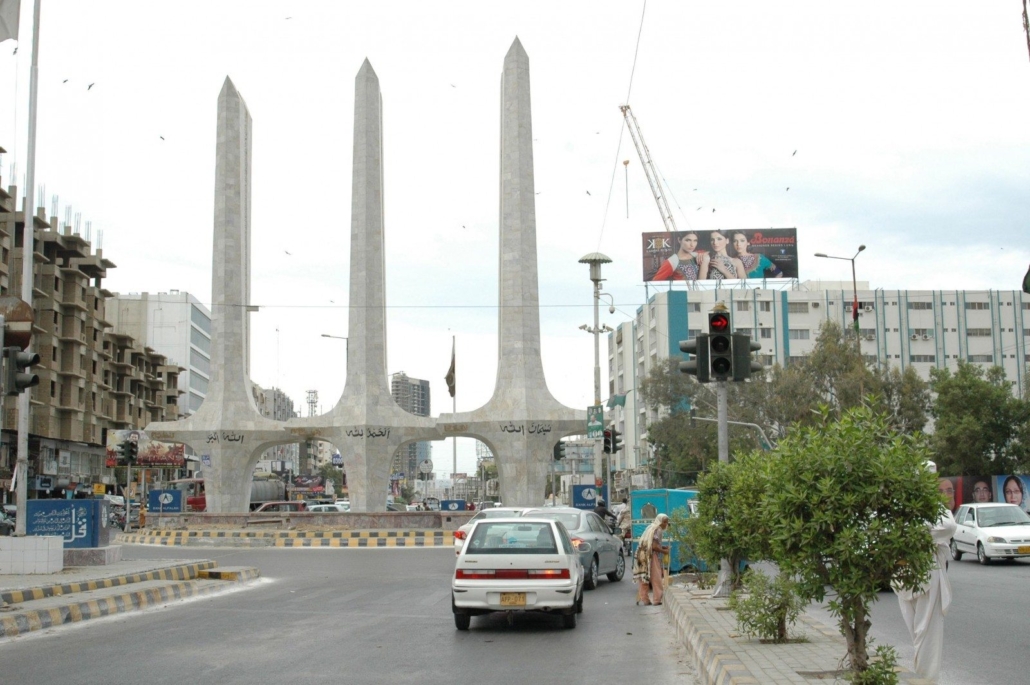
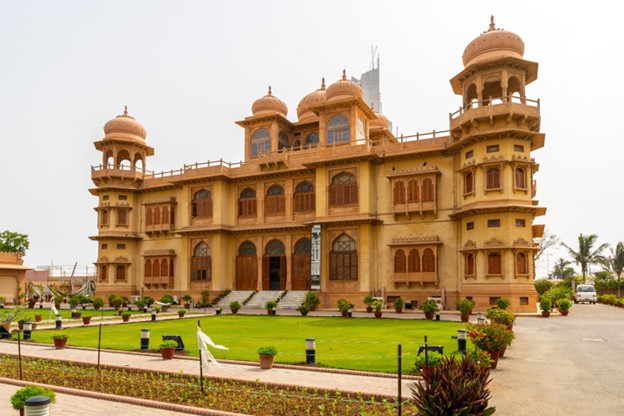
Now that we’ve explored Lahore, let’s head south to Pakistan’s biggest and busiest city—Karachi. Karachi isn’t just the largest city in Pakistan—it’s a mega-metropolis, a melting pot of cultures, and the country’s economic powerhouse. With its coastline, diverse communities, and fast-paced lifestyle, Karachi offers a completely different but equally fascinating experience compared to other cities in Pakistan.

The City of Lights

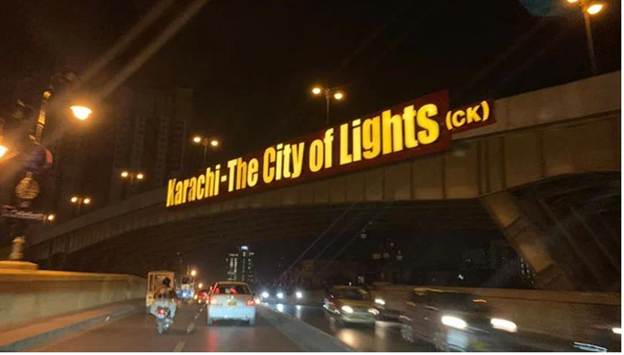
Nicknamed the “City of Lights”, Karachi never really sleeps. Whether it’s the glow of beachside food stalls or the buzz of traffic late at night, there’s always something happening here. It’s the capital of Sindh province and home to over 20 million people, making it one of the most populous cities in the world.

Karachi is Pakistan’s main port city and its financial and industrial center. But beyond the banks and business towers, the city holds layers of history, culture, and character.

A Tapestry of Cultures

Karachi is one of the most ethnically diverse cities in Pakistan. People from every province—and many parts of South Asia—call it home. Urdu, Sindhi, Punjabi, Pashto, and many other languages are spoken here, often in the same street or even the same household. This diversity is reflected in everything from its food and fashion to its festivals and music.

Historical Landmarks and Coastal Atmospheres

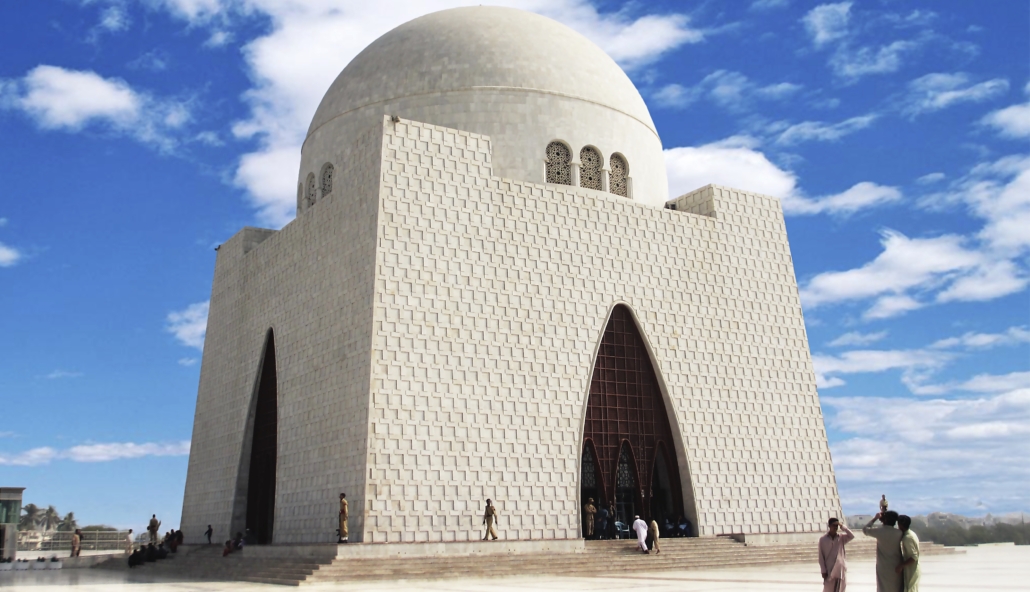
Karachi may be modern, but it carries history too. One of its most significant sites is the Mazar-e-Quaid, the white marble mausoleum of Quaid-e-Azam Muhammad Ali Jinnah, the founder of Pakistan. The structure is simple yet grand, and visiting it is almost a rite of passage for Pakistanis.

Frere Hall, built during the British colonial era, is another must-see. It’s surrounded by peaceful gardens and often hosts art exhibitions and cultural events.

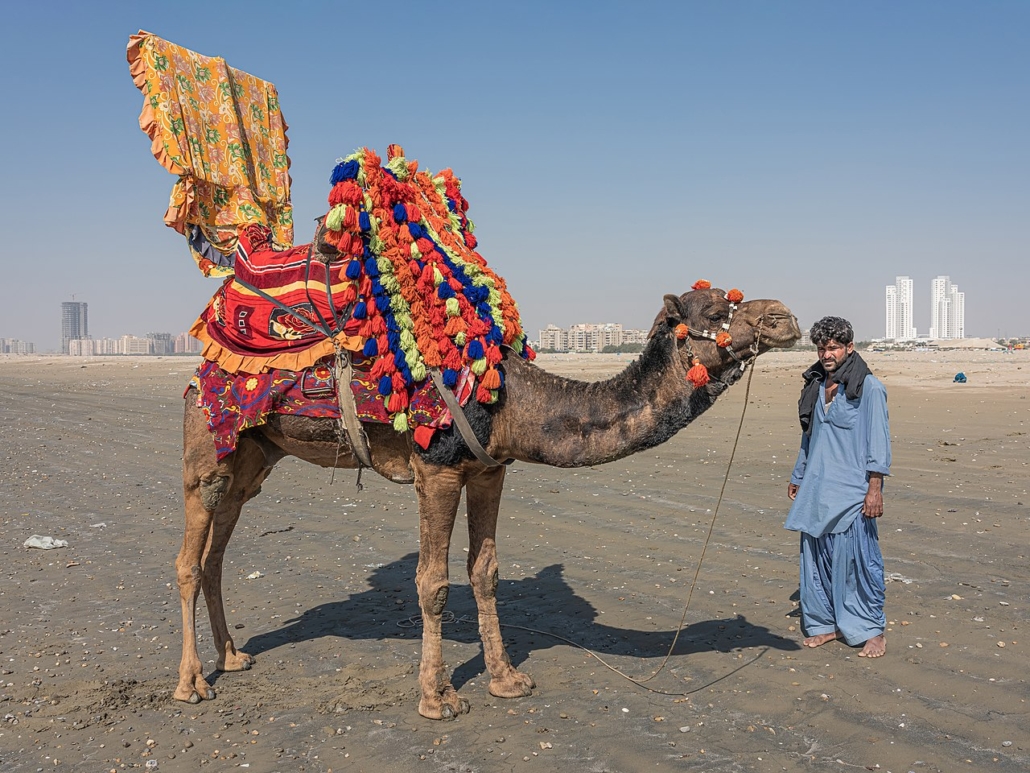
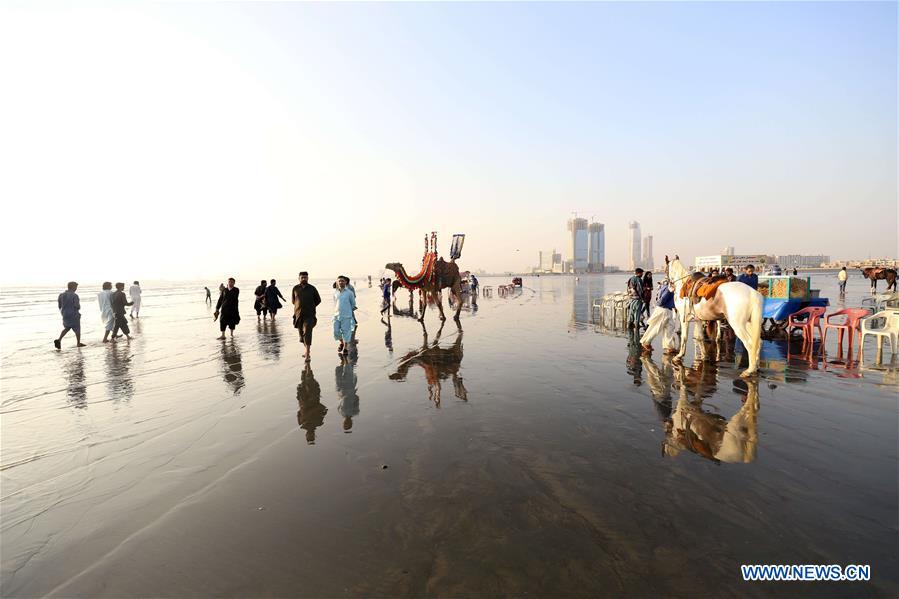
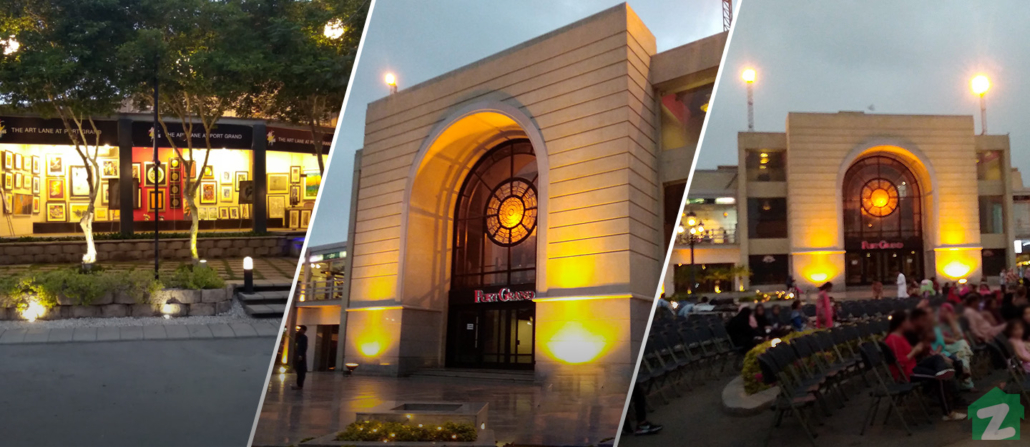
Then there’s Clifton Beach, where locals and tourists alike gather for camel rides, corn on the cob, and sunsets over the Arabian Sea. Karachi’s coastline adds a breezy charm to the otherwise bustling city.

Food, Glorious Food

Karachi’s food scene is legendary. From sizzling biryani (arguably the best in the country) to fresh seafood, spicy bun kebabs, and international cuisines, the city caters to every palate and budget.

Areas like Burns Road, Boat Basin, and Kolachi are famous for their food offerings. Whether it’s street food or high-end dining with an ocean view, Karachi delivers.

Arts, Events, and Urban Energy

Karachi is also a cultural hub. It hosts events like the Karachi Literature Festival and Pakistan Fashion Week, attracting artists, authors, and designers from all over. The city is home to major media houses, art galleries, and performance spaces that reflect both traditional and contemporary vibes.

Despite its challenges—like traffic and infrastructure issues—Karachi’s energy is warm and authentic.

In short, Karachi is where Pakistan’s heart beats the loudest. It’s chaotic yet captivating, diverse yet unified, modern yet rooted. From the sea breeze to the skyline, from food streets to financial districts, Karachi is a city you don’t just visit—you feel it.

Have you experienced Karachi yet? If not, it’s waiting with open arms and a plate of biryani.

, ,

Travel With Me to Lahore: The Beating Heart of Pakistan

Written By: Zara Ahmed

When people speak of Pakistan, their minds often drift to the snow-capped peaks of Gilgit-Baltistan or the charged politics of Islamabad. But to truly understand the soul of the country, you must come to Lahore—not just a city, but a living mosaic of history, flavor, and belief.

Home to over 11 million people, Lahore is Pakistan’s cultural nerve center. It’s where Mughal architecture brushes up against colonial relics and where chai-fueled poetry readings meet tech startup launches. Lahore isn’t easy to define—but that’s exactly what makes it powerful.

History Woven Into Every Brick

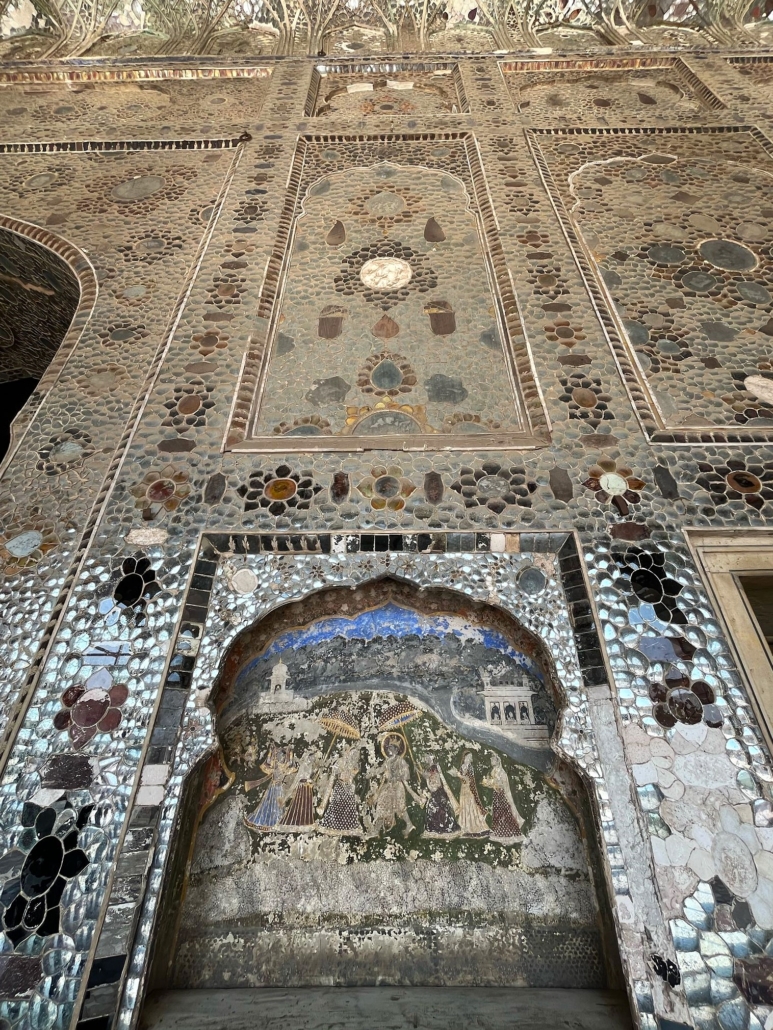
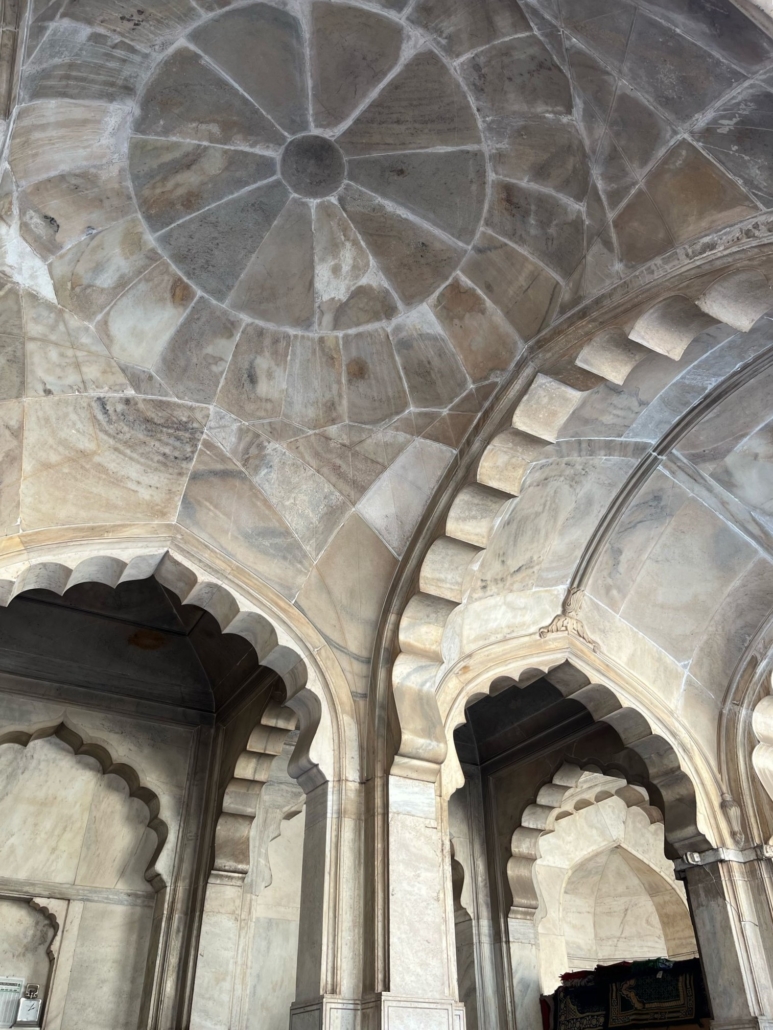
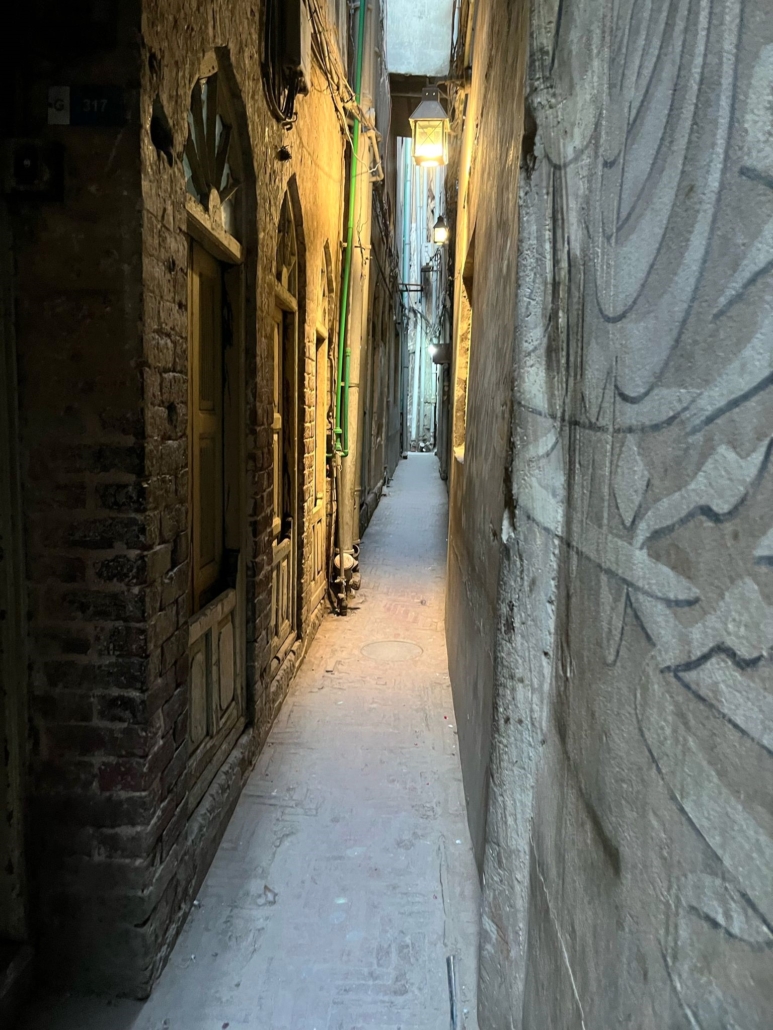
Lahore is one of the oldest living cities in South Asia, and it shows. The Walled City is a sensory overload: labyrinthine alleyways, antique wooden jharokhas (balconies), and the scent of cumin and rose water floating through the air. Turn a corner, and you may stumble upon a 17th-century mosque, a Sufi shrine, or a colonial-era haveli.

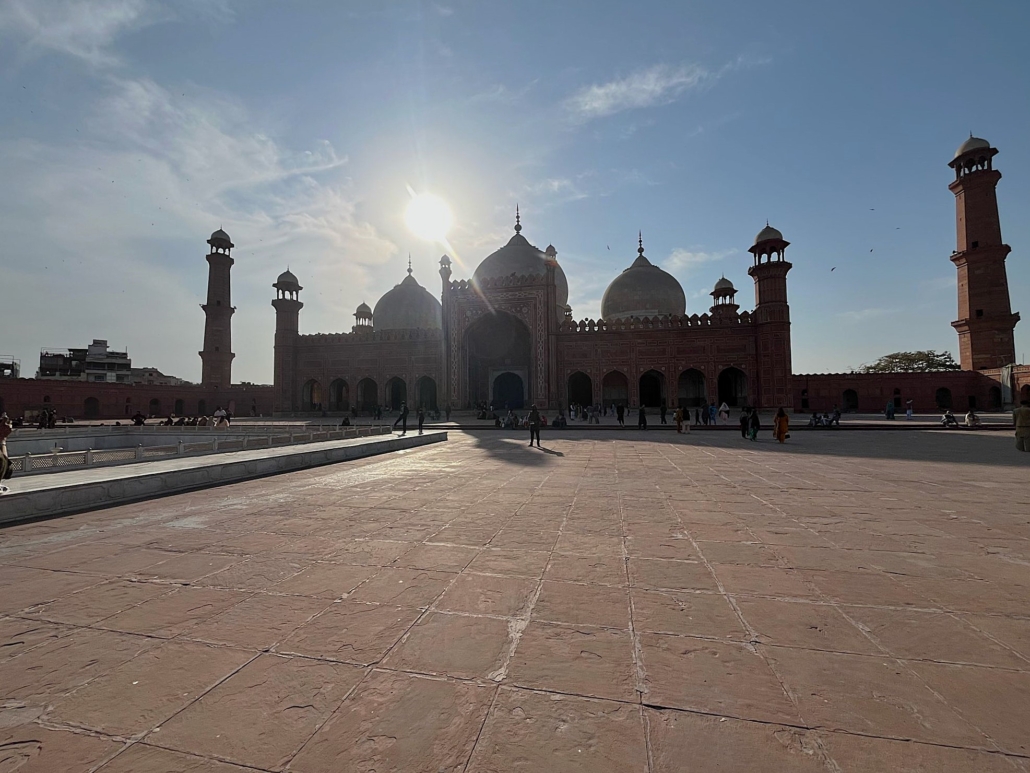
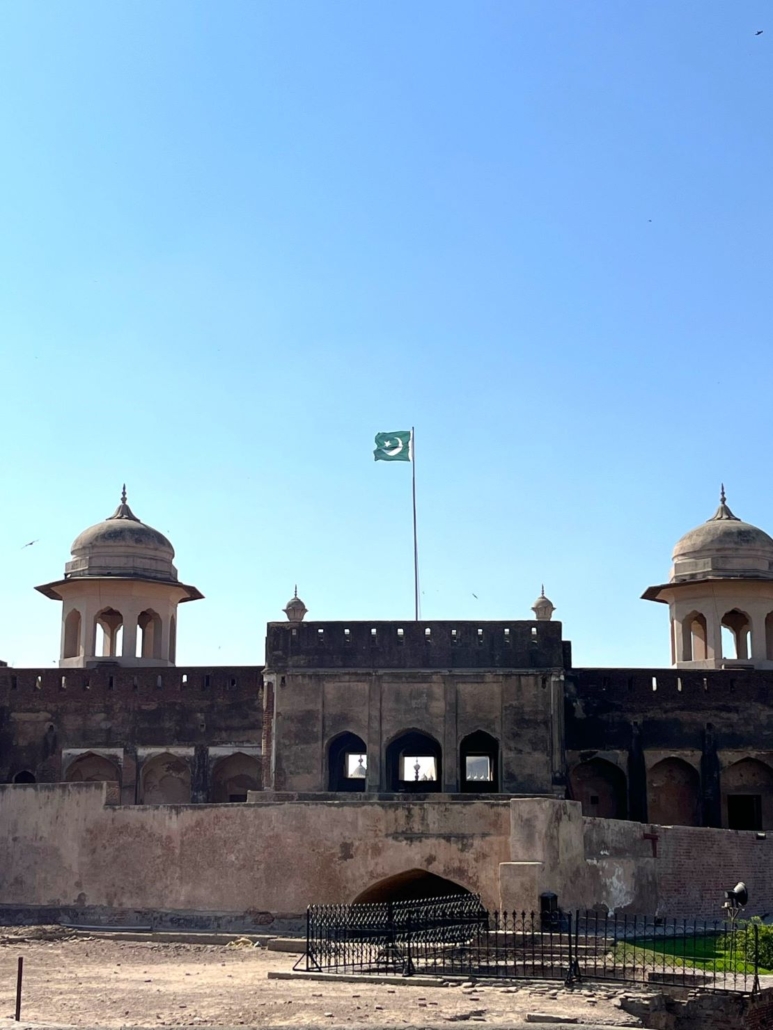
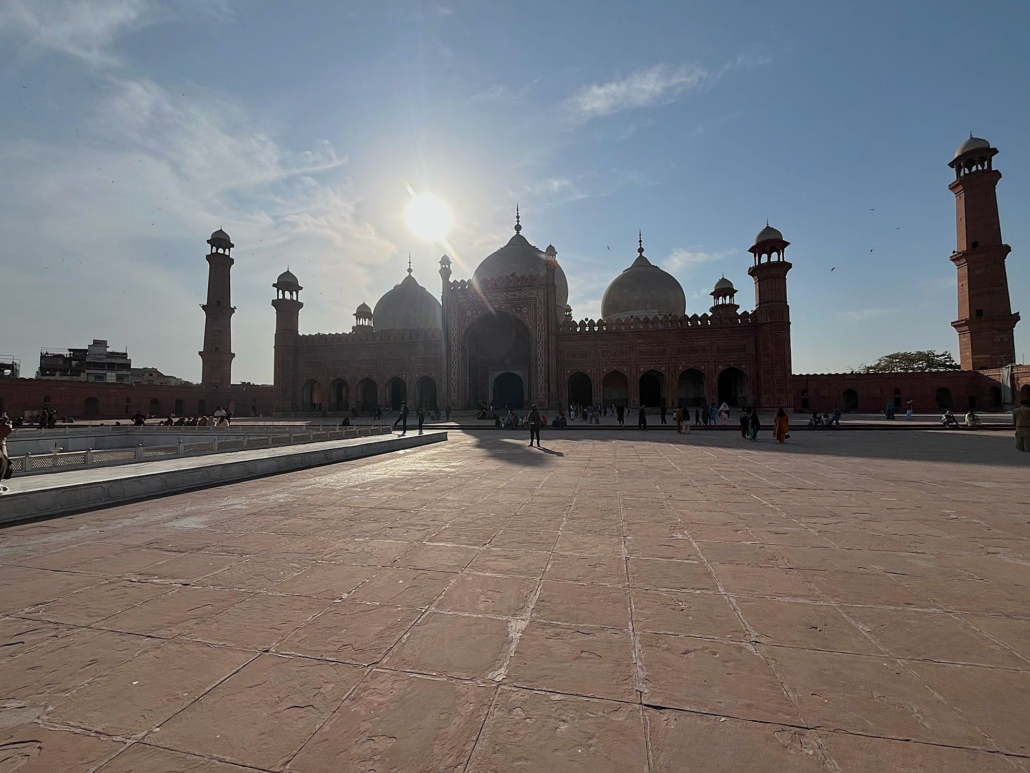
The Badshahi Mosque and Lahore Fort, both UNESCO World Heritage Sites, are not frozen in time—they’re used, revered, and walked through every day by students, pilgrims, and selfie-snapping teens alike.

In Lahore, the past is not the past. It is part of the present conversation, shaping identity, thought, and art.

A City of Beliefs—Layered, Complex, and Coexisting

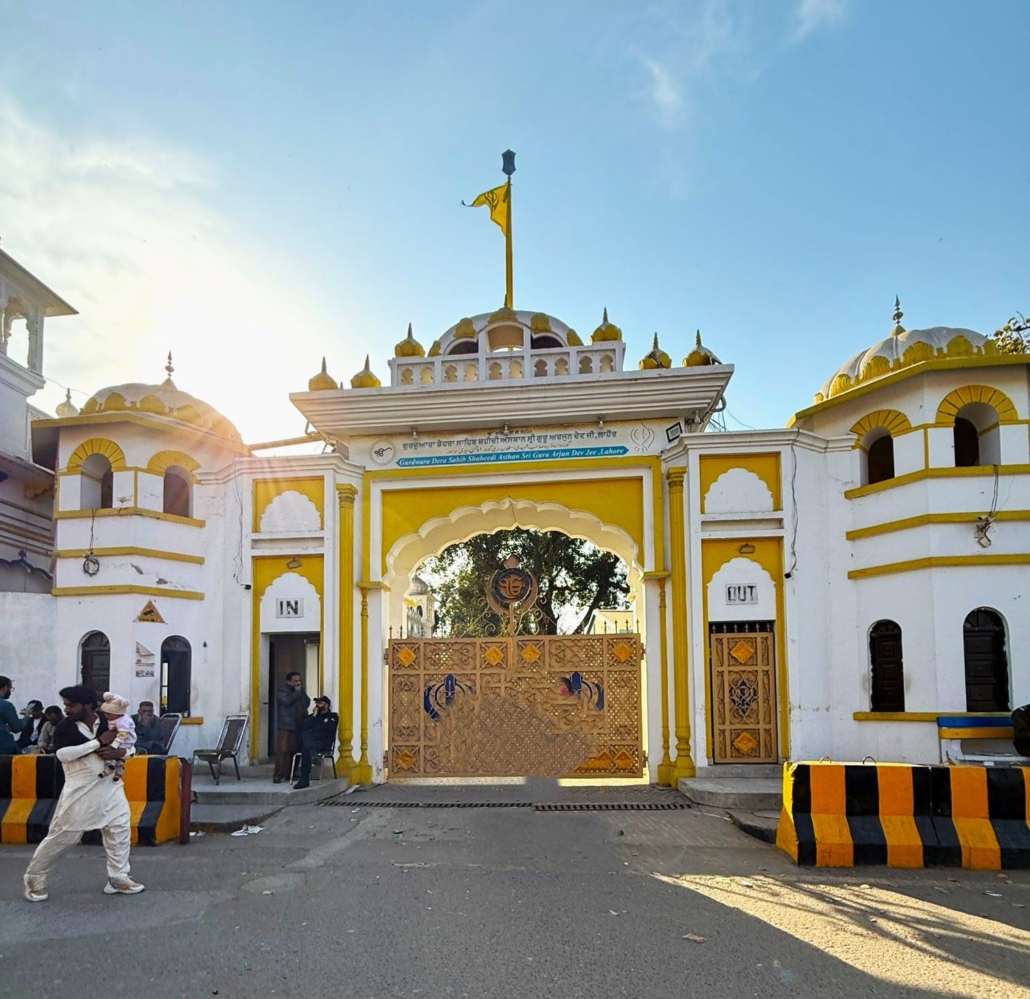
Lahore is overwhelmingly Muslim, but it is also profoundly pluralistic in its social and spiritual fabric. Within its borders, you’ll find mosques echoing the call to prayer, churches filled with worshippers on Sunday mornings, and Gurdwaras that draw Sikh pilgrims from across the globe.

The Sacred Heart Cathedral, built in 1907, sits peacefully not far from the Data Darbar, one of the largest Sufi shrines in South Asia. Gurdwara Dera Sahib, where Sikh Guru Arjan Dev was martyred, stands near Samadhi of Ranjit Singh, the Sikh empire’s lion-hearted founder.

This visible layering of beliefs is not a relic of a tolerant past—it is a living reality. It creates a cultural resilience. In a region often fragmented by sectarian headlines, Lahore shows what shared streets, rhythms, and rituals can achieve. Weddings across sects, friendships across faiths, and shared reverence for art and poetry blur the lines that politics often tries to sharpen.

Here, belief doesn’t divide. It deepens the city’s texture.

Intellectual Fire, Ancient and New

This city is also Pakistan’s intellectual capital. Universities like Government College University, LUMS, and Punjab University have shaped generations of thinkers and leaders.

It’s the birthplace of Allama Iqbal, whose poetic vision helped define Pakistan’s spiritual and political philosophy, and Faiz Ahmed Faiz, whose verses of resistance are still chanted at protests and printed on tote bags.

The Lahore Literary Festival, a fixture on the global literary calendar, draws writers, artists, and activists from around the world. It’s more than an event—it’s a reaffirmation of Lahore’s role as a city of ideas.

In cafés, campus halls, and chai dhabas, debates about Sufism, identity, feminism, and climate change spill into everyday conversation. It’s messy. It’s loud. And it’s beautiful.

Flavor and Fire: The Food of Lahore

To understand Lahore, you must eat. Here, food is not just nourishment—it’s performance, ritual, and inheritance.

Morning begins with halwa puri and strong doodh patti. Afternoons are spiced with biryani, and nights come alive with the clang of karahis being tossed at Gawalmandi or Fort Road.

Everyone has their favorite spot for nihari, liver masala, or lassi—and the debates can get passionate. But food here doesn’t just fill the stomach. It binds generations, neighbors, and entire neighborhoods.

Modern Lahore, too, offers culinary reinvention: French-Punjabi fusion in Gulberg, vegan cafés in DHA, and rooftop dining overlooking the Minar-e-Pakistan.

Between Heritage and Hypergrowth

Lahore is modernizing—fast. Its skyline grows taller every year, anchored by malls, tech incubators, and high-speed transit lines. The Orange Line Metro, a flagship project under the China-Pakistan Economic Corridor (CPEC), moves thousands of commuters daily.

But the city grows not just upwards, but inwards—with complex questions. Can development preserve heritage? Can urban planning respect low-income communities and ancient neighborhoods?

The air quality dips, the roads clog, and the temperature rises. But with every challenge, Lahore also shows adaptability. Activists campaign to save heritage sites, artists paint under flyovers, and young developers pitch ideas to tackle urban heat. It’s a city grappling honestly with its contradictions.

Final Thoughts: Lahore Happens to You

Lahore cannot be packaged into a travel brochure or neatly sorted into categories. It is flawed and radiant. Sacred and irreverent. Historic and hungry for change.

This is not a city you merely pass through. It is a city that happens to you. Slowly, then all at once. You may come for the architecture, or the food, or the music—but you will stay in memory because of its spirit: its ability to hold paradox without breaking.

As the old Punjabi saying goes:

“Jis Lahore nai dekhya o jamyai Nai”

One who hasn’t seen Lahore hasn’t truly lived.

, ,

Travel With Me: Exploring the Rich History of Pakistan

By: Zara Ahmed

Come with us as we explore one of the most fascinating countries in South Asia – Pakistan! From ancient cultures to vibrant cities, Pakistan offers a treasure trove of history, diversity, and stories waiting to be discovered. So, let’s take a deep dive into the rich heritage of this incredible nation. First up, let’s learn about the history and ethnic diversity of Pakistan!

A Journey Through Time: The Founding of Pakistan

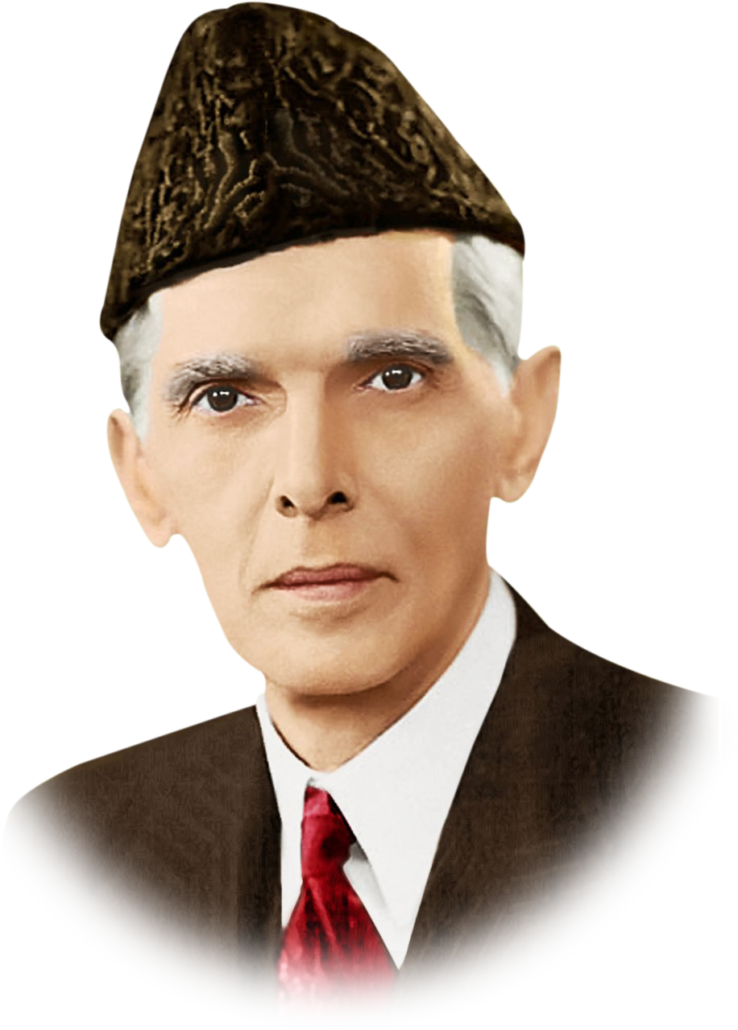
Let’s rewind the clock to 1947, when Pakistan was founded as a separate nation for Muslims after the partition of India. The visionary leader behind the creation of Pakistan was Quaid-e-Azam Muhammad Ali Jinnah, who dreamt of a land where Muslims could live freely, practice their religion, and preserve their culture. His dedication and leadership made Pakistan a reality and set the scene for a proud nation with a unique identity.

Let’s rewind the clock to 1947, when Pakistan was founded as a separate nation for Muslims after the partition of India. The visionary leader behind the creation of Pakistan was Quaid-e-Azam Muhammad Ali Jinnah, who dreamt of a land where Muslims could live freely, practice their religion, and preserve their culture. His dedication and leadership made Pakistan a reality and set the scene for a proud nation with a unique identity.

A Melting Pot of Ethnic Groups

  1. Punjabis: The majority ethnic group, the Punjabis, make up a significant part of Pakistan’s population. They speak Punjabi and have a rich cultural heritage, including music, dance, and a deep love for food (trust me, their food is incredible!).
  2. Pashtuns: In the north-western regions, you’ll find the Pashtuns, who speak Pashto. Known for their hospitality and strong cultural traditions, they have a unique and proud history that dates back thousands of years.
  3. Sindhis: Down in the southern part of the country, Sindhis are the heart of Sindh province, speaking Sindhi. Their culture is heavily influenced by Sufism, and you’ll find beautiful historical sites like Mohenjo-Daro, one of the world’s oldest urban settlements.
  4. Baloch: Moving to the southwestern region, the Balochi people speak Balochi and have a rich history tied to their nomadic lifestyle and tribal traditions. The vast deserts and rugged mountains of Balochistan are home to this proud group.
  5. Muhajirs: These are people who migrated to Pakistan from India during the partition. They primarily speak Urduand are found across Pakistan, particularly in Karachi. They’ve had a major influence on the country’s modern culture, especially in terms of arts, music, and politics.

And of course, Hindus, Christians, and other religious minorities add to Pakistan’s multi-cultural fabric, contributing to the beautiful diversity you’ll find in every corner of the country.

Language and Culture – A Blend of Traditions

While Pakistan’s official language is Urdu, many different languages are spoken throughout the country. From Punjabi to Pashto, Sindhi to Balochi, you’ll hear a symphony of languages that reflect the country’s rich cultural tapestry.

Culturally, Pakistan is a stunning blend of traditional and modern influences. Whether it’s the timeless art of truck painting, the soulful tunes of qawwali music, or the delectable dishes like biryani, nihari, and samosas, there’s always something to catch your eye or tantalize your taste buds. 

So, now that we know a little bit about Pakistan’s foundation and its beautiful diversity, let’s dive deeper into some historical spots that make this country so special. Stay tuned because you won’t want to miss the next adventure! 

Eid Al-Adha

Author: Zara Ahmed

Eid al-Adha, also known as the Festival of Sacrifice, is one of the two major Islamic holidays celebrated by Muslims around the world. It holds profound religious, spiritual, and cultural significance, especially in countries like Pakistan, where the occasion is marked with widespread festivities and religious devotion. Eid al-Adha commemorates the unwavering faith and devotion of Prophet Ibrahim. 

Historical Background

Allah commanded Ibrahim in a dream to sacrifice his beloved son, Isma’il, as a test of his obedience. As Ibrahim prepared to fulfill the command, Allah intervened and provided a goat to be sacrificed instead. This event is recorded in the Qur’an (Surah As-Saffat 37:102–107).

This act of submission to God’s will forms the foundation of Eid al-Adha. It is a time for Muslims to reflect on the values of faith, obedience, sacrifice, and compassion.

Religious Observance

Eid al-Adha takes place during the Islamic lunar month of Dhul-Hijjah, specifically on the 10th day, which follows the culmination of Hajj, the annual pilgrimage to Mecca, one of the five pillars of Islam. The holiday spans three days in many Islamic countries, though some extend it to four.

The day begins with a special congregational Eid prayer, typically held outdoors or in large mosques. This prayer includes a khutbah (sermon) that emphasizes the significance of sacrifice, unity, and caring for the less fortunate.

Moon Sighting and Deciding the Date

Since the Islamic calendar is lunar, the months begin with the sighting of the new moon. The exact day of Eid al-Adha varies each year and can differ by country, depending on local or regional moon sightings. In Pakistan, the Ruet-e-Hilal Committee is responsible for officially announcing the sighting of the moon that marks Dhul-Hijjah, determining the dates of Hajj and Eid.

As a result, the celebration date is often confirmed only a day or two in advance, contributing to anticipation and last-minute preparations.


Traditions and Celebrations in Pakistan 

The main ritual is Qurbani — the sacrifice of a goat, cow, or other halal animal — symbolizing Prophet Ibrahim’s obedience. The meat is divided into three parts: one for the family, one for relatives/friends, and one for the poor.

Families prepare festive meals like biryani, kebabs, and desserts using the Qurbani meat. Charity plays a big role, with people ensuring that the less fortunate receive food and support.

In the lead-up to Eid, animal markets (mandis) become lively centers where families buy sacrificial animals. In urban areas, many now use online Qurbani services for convenience. The three-day celebration emphasizes faith, community, and compassion. While traditional practices continue, urban Pakistanis increasingly use online services for buying animals and performing sacrifices, especially in high-density areas. Social media also plays a role, with people sharing images of their animals, outfits, and celebrations. In some areas, authorities ensure hygienic disposal of waste and promote responsible handling of sacrificial activities to prevent health hazards

Eid al-Adha is more than a ritualistic observance—it is a spiritual and communal celebration of faith, sacrifice, and compassion. In Pakistan, the holiday blends deep religious devotion with rich cultural traditions, making it a time of joy, reflection, and unity. Whether through shared meals, charity, or prayer, Eid al-Adha reminds Muslims of their values and their responsibility toward others, especially those less fortunate.

Valentine’s Day in Pakistani Culture

Urdu Mela Poetry Skit ‘Toat Batoat’

This poem was written by Sufi Ghulam Mustafa Tabassum and performed by Anjali Dodd and Alina Seth.

Click here to view video

Urdu Mela Poetry skit – ‘Humdurdi’

The poem was written by Dr. Alama Iqbal and performed by Anjali Dodd and Alina Seth.

Click Here for video